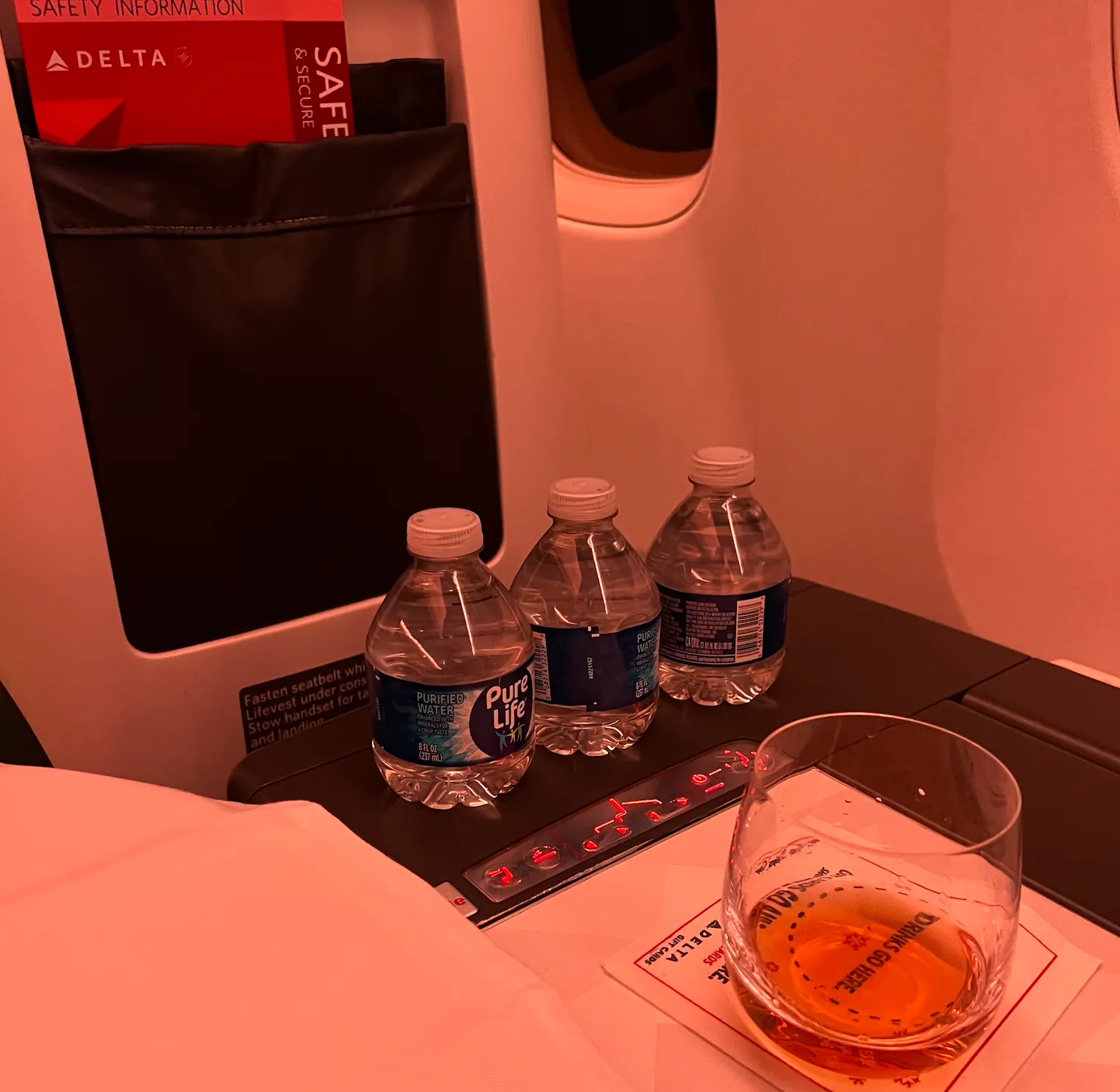
Virgin Atlantic Flying Club is two programs wearing one trench coat.
One of them charges you a small fortune to sit on Virgin’s own planes — hundreds of dollars in surcharges and UK departure tax before the points even enter the conversation. The other quietly lets you fly ANA first class to Tokyo or Delta One to Paris for a fraction of what anyone else asks. Same program. Same points. Completely different experience depending on which door you walk through.
Learn to tell the two apart and Flying Club becomes one of the most valuable currencies you can earn. Miss the distinction and you’ll overpay for a flight you could have had for less.
Why the points are easy to get
Virgin Points transfer in at 1:1 from basically every major flexible currency — American Express, Chase, Citi, Capital One and Bilt all feed the same account. That’s unusually broad. Whatever’s sitting in your Amex or Chase balance right now can almost certainly become Virgin Points in a few minutes.
Which is exactly why the rest of this matters. The points are trivial to acquire. The skill is knowing what to do with them.
The one rule that runs the whole program
Partner awards dodge the surcharges. Virgin’s own flights don’t.
Book a seat on Virgin Atlantic metal and you’ll eat the UK’s Air Passenger Duty plus a fuel surcharge that can push cash fees toward $600–700. Book the same class of travel on a partner — ANA, Delta, Air France, KLM — and most of that evaporates. The points price is the headline; the surcharge is the story. Internalize that and every decision below gets easy.
Sweet spot #1: ANA to Japan
This is the crown jewel, and it isn’t close.
ANA business class between the U.S. and Japan runs about 52,500 Virgin Points one-way, with essentially no fuel surcharge because it’s a partner award. ANA first class — The Suite, one of the genuinely aspirational seats left in commercial aviation — sits around 72,500 points one-way from the West Coast (more from the East Coast). The cash price on that first class ticket routinely clears $10,000. You are, functionally, buying a five-figure seat for the price of a nice weekend.
The catch is availability, and it’s a real one. ANA releases very little first class space to partners, and it has grown stingier about close-in bookings. This is a redemption you plan a trip around months out, not one you find on a Tuesday. When the space appears, move fast. It does not linger.
Sweet spot #2: Delta One to Europe
Delta One business class from the U.S. to Europe prices around 50,000 Virgin Points one-way — frequently cheaper than booking the exact same seat through Delta’s own SkyMiles, which is a special kind of embarrassing for Delta.
But this one comes with an asterisk the size of a runway. In 2024 Virgin took a swing at this sweet spot — it nudged the point prices up and, worse, piled surcharges onto Europe-departing legs. Round-trips originating in the U.S. still carry sane fees; flights starting in Europe do not. So structure it as a U.S.-origin round-trip, price the whole thing before you transfer, and don’t let the low points number fool you into ignoring the cash column.
Sweet spot #3: Virgin Upper Class, if you must
Virgin’s own Upper Class across the Atlantic can price as low as 29,000 points one-way off-peak, which looks spectacular right up until the surcharges land — figure $580 and up in cash on top.
That’s not a scam, it’s a trade. If you were going to buy an economy ticket to London anyway, paying roughly economy-level cash plus a modest points outlay to sit in a lie-flat seat is a defensible move. Just go in clear-eyed: this is the “low points, high cash” door, and it’s the opposite of the partner-award math above. For the wider menu of ways across the Atlantic, I laid out the cheapest lie-flat options here.
Sweet spot #4: the unglamorous one that actually earns its keep
Virgin can book Delta’s domestic network, and short nonstop hops start around 7,500 points one-way with no added surcharges.
Nobody writes a trip report about a domestic economy flight. But when a last-minute cash fare spikes to $300 and you can cover it with 7,500 points and no fees, that’s a genuinely good use of a currency most people only think about for aspirational stuff. There’s also a transatlantic economy angle — Virgin can put you on Air France or KLM to Europe for as little as 6,000 points one-way plus modest taxes if you just need a seat and a seatbelt.
The discipline, one more time
Flying Club changes its own pricing with less warning than most programs, and the ANA space is the hard part of every good redemption here. So the rule is the rule: confirm the seat exists before you move a single point. A transfer bonus or a low points price means nothing if there’s no award space to spend it on — that’s just points in a less flexible pocket.
Virgin runs regular transfer bonuses from Amex and Chase, and when one lines up with real ANA or Delta One availability, it’s one of the best plays in the entire hobby. When it doesn’t, admire it and keep your powder dry.
The program makes no sense. That’s fine. It doesn’t need to make sense. It needs to get you into seat 1A on ANA for the price of a rounding error — and on a good day, that’s exactly what it does.